Course Strategy
Building Engaged Communities
Every course author wishes they could just pour all their knowledge into an amazing course, publish it, and get students to purchase and share it with their colleagues. Build it and they will come, right?
Unfortunately, this rarely happens.
Successful course launches require an audience to sell to. One of the best ways to cultivate and grow an engaged audience around your niche of knowledge is to build a community.
In this guide, Tyler Ramsbey walks through his process for building and running his 15,000+ member niche cybersecurity community — Hack Smarter.
Huge thanks to Tyler Ramsbey for sharing his community playbook!! Go learn more about Hack Smarter at hacksmarter.org.
Start Small: Solve Your Own Problem First
Hack Smarter did not begin as a grand business plan or as a means of selling courses to an audience. My friend Nate and I had the same problem: we wanted to earn the OSCP but needed mutual accountability. We decided to meet once a week on Zoom to hold each other accountable, with my brother deciding to join as well.
One of the first people to join the early "Hack Smarter" meetings was actually my daughter (she was only in preschool!). She would share what she was learning in school, and what her goals were. She attended every week until the meeting expanded beyond people I personally knew.
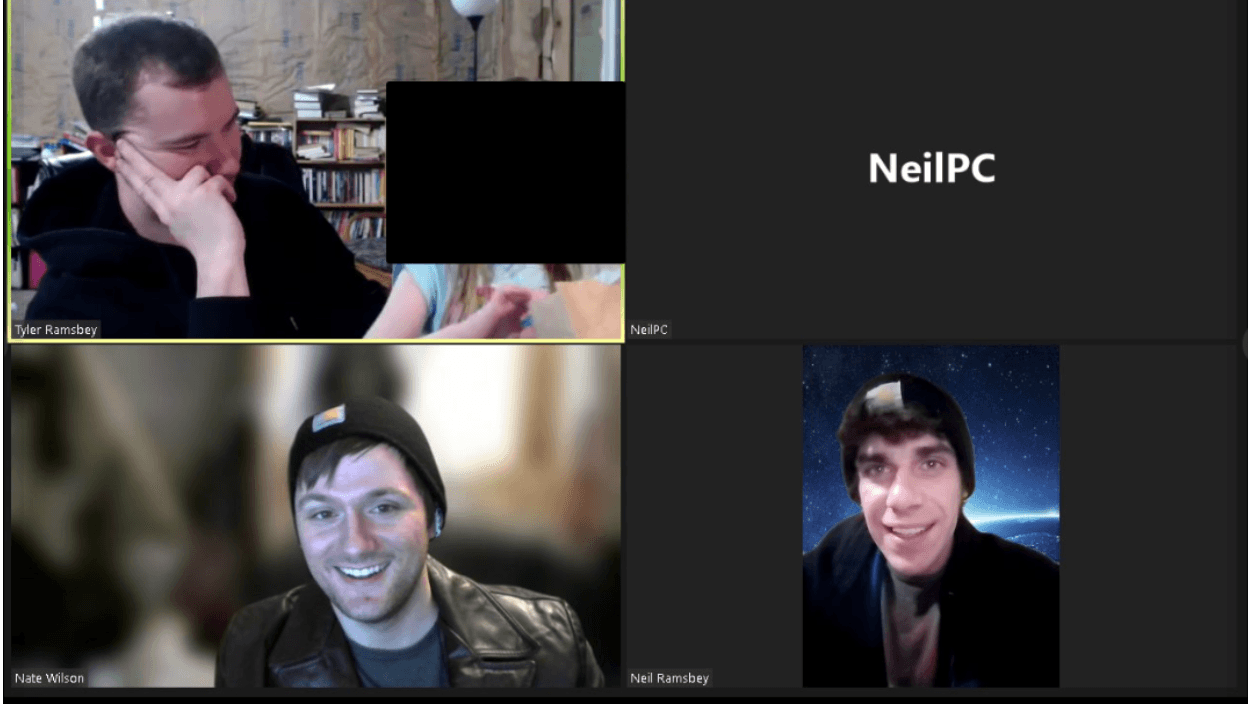
We ended up needing a better way to communicate because our Facebook group chat was getting hard to follow. This is how we eventually migrated to Discord, and began inviting others to join our community.
Takeaway: Authentic communities start with a shared struggle, not a sales pitch.
The Heartbeat: Consistency over Complexity
The "Weekly Goal Meeting" is still part of our weekly events. We actually host it twice a week to accommodate different timezones, and we have people from literally all over the world who join for mutual accountability and encouragement.
These meetings are still focused around the two questions Nate and I started with:
- • What did you accomplish this past week?
- • What are your learning goals for this upcoming week?
This seems overly simple, but hosting weekly meetings consistently for five years is significant work. I hosted every meeting for the first few years but now we have a team of volunteers who serve as our Meeting Leaders.
The rest of Hack Smarter formed organically from these meetings:
- • We have a CTF team that regularly places in the top of events.
- • We have a bug bounty and security research group that has identified countless CVEs.
- • We have multiple members who have spoken in the "Hack Smarter" name at major conferences, including Defcon.
- • We offer donate-what-you-can career coaching. Members donate to a non-profit of their choice, and volunteers offer 1-on-1 coaching.
Takeaway: You don't need complex gamification; you just need a consistent time and place for people to be seen.
Scaling Up: Empower the Members
Hack Smarter recently surpassed 15,000 members and we host multiple events every week… but I am the only "paid" staff member of Hack Smarter.
Our community is almost entirely volunteer-led. When people see a vision for something greater than themselves, they rise to the occasion. All the members of our community are empowered to make a massive difference in the lives of real people.
Many (most?) cybersecurity Discord communities are very corporate. They are started by massive organizations, moderated by paid staff, and become disappointed when people don't participate. Nearly every announcement is a sales pitch or corporate offering, with very little focus on the actual community.
Hack Smarter is a free, grassroots, community-led community before anything else. Our labs and courses were a natural evolution, but they are NOT the primary focus of Hack Smarter. Hack Smarter is the people on a mission to make cybersecurity accessible, affordable, and inclusive for all people in all places; our labs/courses are just a small part of it.
Takeaway: A community transitions from "yours" to "ours" when you let the members lead.
Why Does This Matter? The ROI of Community
The best time to start a community was five years ago… the next best time is today! Far too many people view online courses as an easy way to make "passive" revenue. The majority of online courses sell very little, and are not worth the time and effort to create.
When you launch a course to a community you've served for free, they aren't skeptical buyers; they are supportive friends. They genuinely want you to succeed, and will purchase your course and share it with others.
Do not build a community SO THAT you can sell them something. Build a community if you have a genuine desire to give back to others, and allow the product (i.e. courses) to flow naturally from the community.
Final Takeaway
Start small. Find your "Nate." Pick a time to meet and be consistent. The rest will follow.
Ready to build your own academy?
Start creating hands-on technical courses with CourseStack today. It's free to get started.